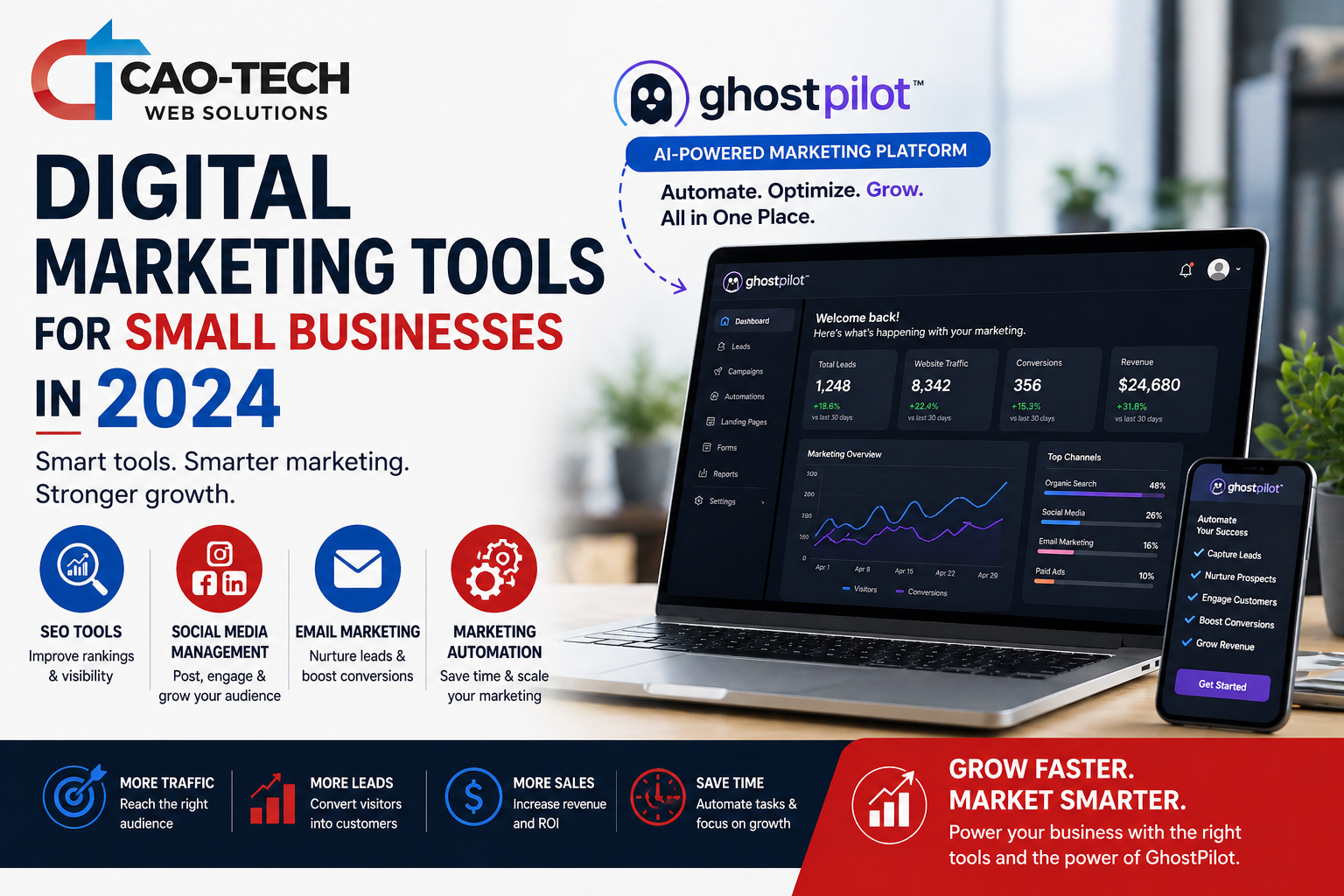
Digital Marketing Tools for Small Businesses in 2026
The Evolution of Digital Marketing Tools for Small Businesses in 2026
As we look ahead to 2026, the world of digital marketing is poised to undergo a remarkable transformation, particularly for small businesses. The rapid advancements in technology, coupled with the changing consumer preferences, have paved the way for a new era of innovative digital marketing tools that can empower even the smallest of enterprises. [Source: Forbes]
The Rise of Intelligent Marketing Automation
One of the most significant developments in the digital marketing landscape is the increasing adoption of intelligent marketing automation. Small businesses in 2026 will have access to sophisticated AI-powered tools that can automate various aspects of their marketing efforts, from lead generation to personalized customer engagement. [Source: Statista]
Predictive Analytics and Personalization
These intelligent automation tools will leverage predictive analytics to gain deeper insights into customer behavior, enabling small businesses to deliver highly personalized content and offers. By analyzing customer data, these tools can predict buying patterns and tailor marketing campaigns accordingly, ensuring maximum relevance and engagement. [Source: HubSpot]
Omnichannel Integration
Another key development in digital marketing tools for small businesses will be the seamless integration of strategies across multiple digital channels. Businesses will be able to manage and optimize their presence on platforms like social media, email, and beyond, all from a single platform. This will allow for a more cohesive and consistent customer experience. [Source: Small Business Trends]
The Power of Social Media and Influencer Marketing
The role of social media in small business marketing will continue to evolve in 2026. Platforms will offer more robust tools for audience targeting, content scheduling, and performance tracking, empowering small businesses to effectively leverage the power of social media. [Source: Pew Research Center]
Influencer Collaborations
Influencer marketing will also become more accessible to small businesses, with tools that facilitate seamless collaborations with micro-influencers and niche experts. Small businesses will be able to tap into the trust and credibility of these influencers to reach new audiences and drive engagement. [Source: Campaign Monitor]
The Rise of Hyper-Personalized Content
In the age of information overload, small businesses will need to prioritize the creation of highly personalized content to stand out. Advanced content management systems and AI-powered copywriting tools will enable small businesses to generate tailored content at scale, catering to the unique needs and preferences of their target audience. [Source: Market Research Future]
Hyper-Targeted Advertising
Alongside personalized content, small businesses will have access to more sophisticated advertising tools that allow for highly targeted campaigns. These tools will leverage data-driven insights to deliver ads that are laser-focused on the right customers, maximizing the return on advertising spend. [Source: Forbes]
The Convergence of Online and Offline Experiences
In 2026, the line between online and offline marketing will continue to blur, as small businesses integrate digital tools to enhance their physical customer experiences. From interactive in-store displays to augmented reality-powered product visualizations, these tools will create a seamless and engaging omnichannel experience for customers. [Source: Statista]
Bridging the Digital-Physical Gap
Small businesses will leverage technologies like QR codes, NFC, and beacon-based tracking to bridge the gap between digital and physical touchpoints. This will allow them to gather valuable data on customer behavior and preferences, further informing their marketing strategies. [Source: HubSpot]
Frequently Asked Questions
What are the key digital marketing trends for small businesses in 2026?
The key digital marketing trends for small businesses in 2026 include the rise of intelligent marketing automation, the power of social media and influencer marketing, the focus on hyper-personalized content and advertising, and the convergence of online and offline experiences. [Source: Small Business Trends]
How can small businesses leverage marketing automation tools in 2026?
Small businesses can leverage marketing automation tools in 2026 to streamline lead generation, personalize customer engagement, and optimize their marketing efforts across multiple channels. These AI-powered tools will provide deeper insights and predictive analytics to help small businesses make data-driven decisions. [Source: Market Research Future]
What role will social media and influencer marketing play for small businesses in 2026?
Social media will continue to be a crucial platform for small businesses in 2026, with more robust tools for audience targeting, content scheduling, and performance tracking. Influencer marketing will also become more accessible, allowing small businesses to tap into the trust and credibility of micro-influencers and niche experts. [Source: Pew Research Center]
How can small businesses create hyper-personalized content and advertising in 2026?
Small businesses will leverage advanced content management systems and AI-powered copywriting tools to generate highly personalized content at scale, catering to the unique needs and preferences of their target audience. They will also have access to sophisticated advertising tools that enable highly targeted campaigns based on data-driven insights. [Source: Forbes]
What technologies will help small businesses bridge the digital-physical gap in 2026?
Small businesses will use technologies like QR codes, NFC, and beacon-based tracking to integrate their digital and physical customer experiences. This will allow them to gather valuable data on customer behavior and preferences, further informing their marketing strategies. [Source: HubSpot]